
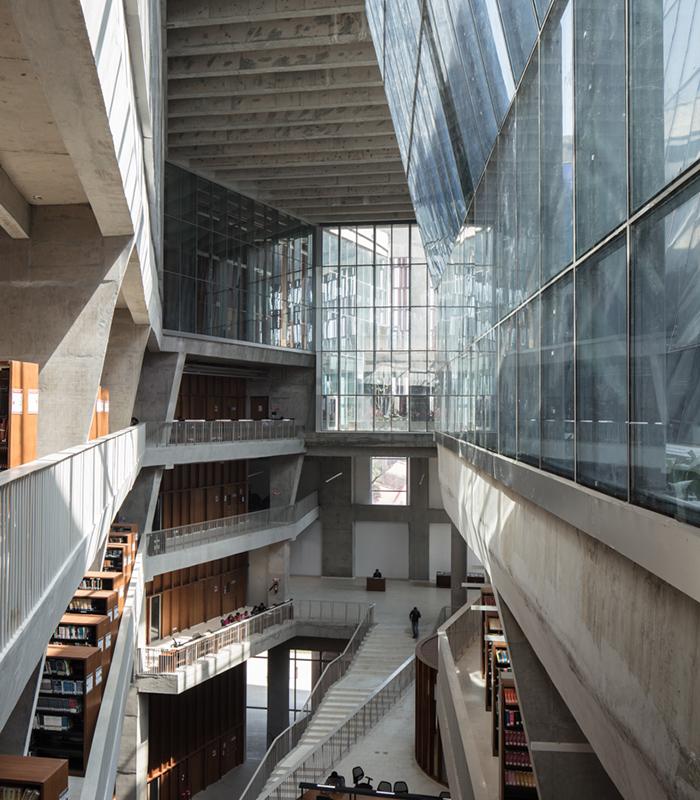
The opening perspective
Transport, utilities and land use share customers, space and delivery constraints. Examining those connections can change the choices made for each asset.
Draw the connections before fixing the design
A new district needs more than separate drawings for roads, power, water and buildings. The teams should agree where networks meet, what each phase requires and who is responsible for the connection points.
A road layout can affect the route and maintenance access for utilities. A change in the mix of uses can alter peak electricity or water demand. These are reasons to coordinate design decisions, rather than assume that individually sensible plans will fit together.
Make the shared costs visible
Shared infrastructure needs an owner, an operating budget and a method for allocating costs. Who pays while only the first phase is occupied? Who approves added capacity? What happens if a proposed tenant does not arrive?
The answers belong in the commercial plan as well as the engineering brief. An arrangement that appears efficient for the complete development may be difficult to fund or operate during its early phases.
Keep the case for integration open to challenge
Some services benefit from a common provider. Others may be more practical as separate arrangements. Compare the alternatives against the site, customer needs, operating responsibilities and cost.
The purpose of examining the whole development is to expose choices that separate project teams might miss. It should lead to a clearer plan, with assumptions that can be tested and responsibilities that can be enforced.
An advisory perspective from Subway Labs Infrastructure Partners on the decisions behind project preparation, funding and delivery.